

Patio Electric Heater
Patio electric heaters are a modern way to extend outdoor living spaces. Electric models do not emit carbon monoxide and can be installed in enclosed spaces with no ventilation.
To determine the power (BTUs) needed to heat your space, calculate the cubic footage of the area and the temperature rise you wish to achieve.
Power
Patio heaters are great to keep outdoor living spaces warm and comfortable even as the sun sets and temperatures get cooler. Radiant heat is released from the heaters to surrounding surfaces and objects. Gas, propane and electric models are available. The best choice for your outdoor space is contingent on the availability of fuel and power sources. The propane and gas patio heating systems rely on liquid or natural fuels, whereas electric patio heaters generate heat by using electricity. In general, natural-gas and propane patio heaters have higher ratings in BTUs than electric patio heaters.
Electric patio heaters are the easiest to install because they plug into the standard 120-volt outlets. Electric patio heaters might not produce the same amount of heat as models powered by propane or natural gases however they can add to the cost of electricity. Propane patio heaters, like our top choice, the AZ Patio Heaters propane patio heater, use 20-pound tanks of liquid propane that can be refilled at local convenience stores or gas stations. They can be portable and moved around to keep the area heated as the sun moves across.
In addition to the traditional parasol or wall mounted versions of these units there's a selection of completely free standing electric heaters, which are ideal for pubs. They can be attached to the parasol struts, or the main pole. This makes them susceptible to theft, so it is essential to consider the place of a device such as this.
Bromic's latest collection of freestanding electric heaters are the best in style and functionality. They have sleek designs and are available in a variety of fashionable finishes that will fit any style. They are extremely efficient in heating and can be set to 500W or 1.5kW depending on the requirements of your home. The digital LED fire display can also be included to improve the look of your outdoor space.
The energy output of a patio heater can be measured by its BTU rating, which indicates how many Btu's it produces per hour. For instance, a 40, 000 BTU patio heater could generate enough heat to warm an area of around 150 square feet. If you're looking to heat an area that is larger, think about using multiple patio heaters. You can also combine freestanding heaters with firepits to create zones of different warmth.
Heat Output
Patio electric heaters provide warm, comfortable heat without the need for fuel or chimneys. The heaters plug into conventional electrical outlets and are portable which makes them an ideal choice for outdoor seating areas and backyard nooks. The amount of heat a patio heater can provide is measured in British Thermal Units. electric patio heater uk of Btus, the greater the capacity of heating. The most effective electric patio heaters typically be able to reach 46,000 Btu's in an hour.
How many BTUs you require will depend on the dimensions of your patio and the temperature you'd like to attain. To get a clear idea of how much energy you require to use, multiply the square footage by the desired temperature. Then, divide that number by 1,000 to convert it into watts and find out how much energy your heater is using per hour. You can then use the wattage rate, found in your owner's manual or on your local utility bill to figure out the amount your patio heater will cost you per hour.
Gas patio heaters make use of propane LPG, butane, or natural gas to heat a perforated screening. The warmth is radiating into your outdoor living space. A reflector above the burner is able to direct heat downwards to maximize efficiency and enhance its effectiveness in windy weather conditions.
Gas patio heaters offer similar heating power to electric models, however they require a higher initial investment since they need to be hooked up to a natural gas or propane line. They are best suited for areas with good ventilation where they can be switched off and on when required, or programmed using an alarm clock.
Certain gas patio heaters have an electronic ignition system that is built into some, while others require you to manually light them with a grill lighter or torch. Follow the manufacturer's guidelines for safe lighting. Make sure that you switch off the natural or propane gas before you try to start the burner. They can be wall- or ceiling-mounted and come with a range of control options, including dimmers and timers that cycle on and off at specific intervals to keep a set temperature.
Design
The right patio heater will make a big difference in your outdoor space. It doesn't matter if you want to prolong your evenings with friends or simply take in the sunset with a glass of wine, a patio electric heater can keep your space warm and inviting for hours after the sun has set.
While a tabletop model may suffice in the short run but a wall-mounted or freestanding model is more suited to a permanent installation. This will ensure that the heater is properly placed to provide maximum heat coverage. The height at which you install the patio heater will also play an important role in the amount of heat it will produce. Certain models have a tilting function that allows you to alter the direction in which heat is projected.
People who want to add a modern touch to their outdoor space may choose a halogen or infrared patio heater. While halogen lamps produce an orange glow and infrared models emit a soft blue-colored light that is reminiscent of natural sunlight and helps you to unwind. Some models have a built-in sound system that plays music when you press a button.
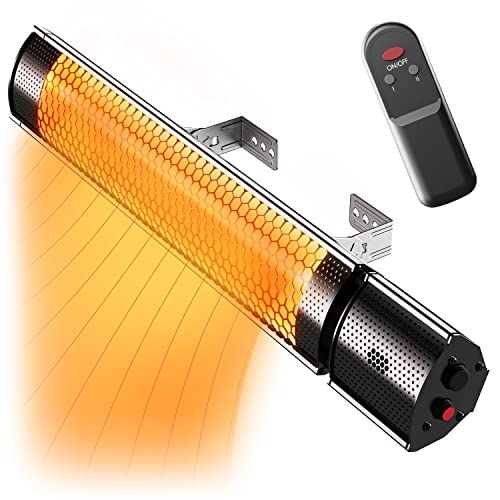
Another option that is popular is a flush mount patio heater, which can be installed in the ceiling of your outdoor living space. This is great for rooms where a suspended fixture is not feasible due to space limitations or a ceiling that has a slope. The flush mount design is available for all of Bromic's Electric heater series and can be used with a range of mounting poles to satisfy your needs.
For those who prefer the simplicity of a single element patio heater, there are simple stack switches that will give you easy control over the heating. You can choose to have your heater on full power, half power, or off.
There are also gas patio heaters for those who prefer the traditional method of heating their outdoor spaces. These appliances utilize propane, LPG or natural gas to heat the air. They are typically powered by a small tank of propane that needs to be replenished on a regular basis.
Installation
Patio electric heaters are an excellent way to continue enjoying outdoor dining and entertaining even after the sun has set. They are simple to operate, inexpensive and easy to use. They can provide a powerful radiant heat, which allows you and your guests to remain comfortable, particularly on the cold winter evenings. To ensure safety and longevity, they must be properly installed. It's important to abide by manufacturer recommendations and talk with an electrician or for those using gas-powered units, a plumber, before making any professional installations.
When choosing an electric patio heating system first, you must determine how much area you would like to heat. A patio heater that has an increased BTU rating (British Thermodynamic unit) is typically more powerful and covers more of an area. A higher BTU rating will require more power.
Another thing to consider is whether you prefer to mount your heater on the wall or ceiling. your electric patio heater. Both options have pros and cons. Wall-mounted units are more compact and can be put in a variety of places. They can also be harder to reach and their nozzles might need to be cleaned regularly.
A ceiling-mounted patio heater can offer a more modern, sleek appearance and is perfect for areas with high ceilings. This option is available for all Bromic's electric models and requires a minimum in the ceiling, which varies by model.
Additionally, you can opt for a propane or natural gas-powered patio heater. Although they're not as portable as their electric counterparts, they provide a decent amount of heat coverage and can be easily turned on or off by remotes or a built-in timer. But, because they depend on combustion for operation gas-powered units aren't as secure as electric counterparts and require regular maintenance.
For those who prefer a more traditional approach to outdoor heating, wood-burning models such as fire pits made of metal, chimineas or built-in brick fireplaces can be very appealing and add a rustic look to your outdoor space. However, these types of units can be challenging to maintain due to the frequent necessity of cleaning up debris and ash, and can cause sparks that can be hazardous when not maintained properly.